Fire Prevention Technology
Hypoxic Air Protection
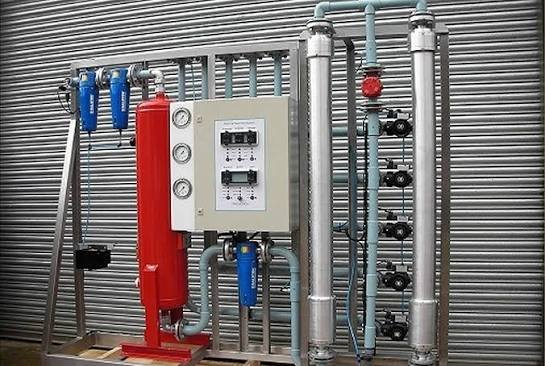
Hypoxic Air Protection works by controlling the oxygen concentration inside an enclosed space to a level that prevents ignition and combustion, while still remaining safe for people to work in. Instead of reacting to a fire after it starts, it removes the condition a fire needs to begin — making it a genuine fire prevention technology rather than a detection or suppression one.
A normal fire alarm detects a fire after ignition and raises an alert. Hypoxic Air Protection works differently — it manages the oxygen level in the space so that ignition is far less likely to occur in the first place, offering prevention rather than only detection.
Yes. The oxygen level is reduced to a range that is below the threshold needed for most materials to sustain a flame, but within limits considered safe for people who are healthy and briefed on the environment, following the applicable design standard for the occupancy type.
It is most commonly used in high-value, high-risk storage such as automated warehouses, cold stores, archives, data halls and battery storage rooms, where downtime, water damage or gas discharge from a conventional suppression system would be costly.
Tylos® designs, supplies and installs fire safety systems PAN India, backed by our own commissioning and maintenance teams.